
17th Annual Conference & Awards
The Executive is pleased to announce the Annual Officer Awards on May 20, 2026. Members will have the opportunity to nominate officers and staff for the awards. The proud recipients will be provided a confirmation letter to be recognized at the Annual Conference and the Annual Banquet and will receive an award from FNCPA Executive.
Registration is now closed for the First Nations Chiefs of Police Association Annual Conference—May 19–21, 2026
Speaker Biographies
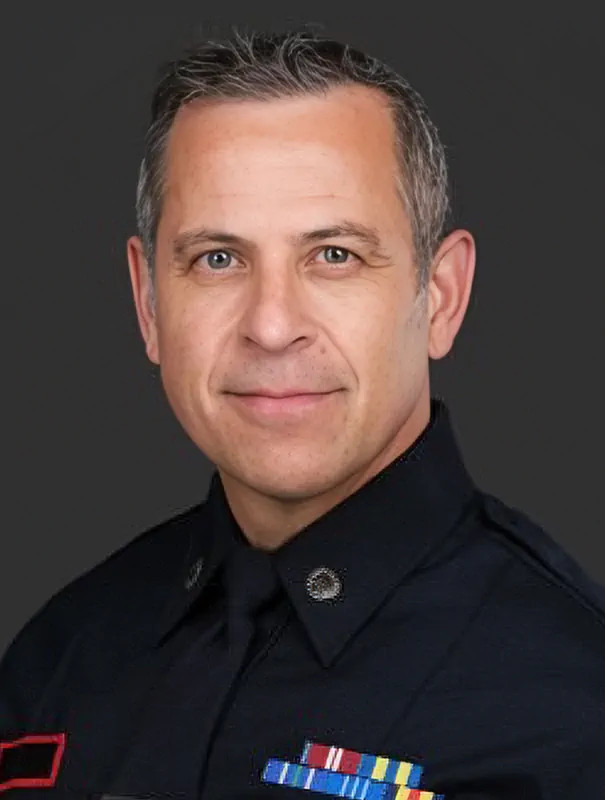
In May 2021, retired Calgary Police Service Homicide Detective Mike Cavilla was hired by the Tsuut’ina Nation Police Service as the Investigative Coordinator. In his current role with TNPS, Corporal Cavilla mentors and assists front-line patrol members with their criminal investigations and assumes the lead role in major criminal investigations that are complex and/or protracted.
An avid soccer player, minor hockey referee, and rodeo fan, Corporal Cavilla is married with two teenage daughters and resides with his family in Calgary, Alberta.
Through his law enforcement career, Detective Constable Miller has developed a strong appreciation for teamwork, accountability, and building positive relationships within the community. He is known as a talkative, approachable, and caring individual, qualities that help him connect with others while remaining calm and effective in challenging situations. He takes pride in helping people, maintaining a strong work ethic, and continuing to grow both personally and professionally throughout his policing career.
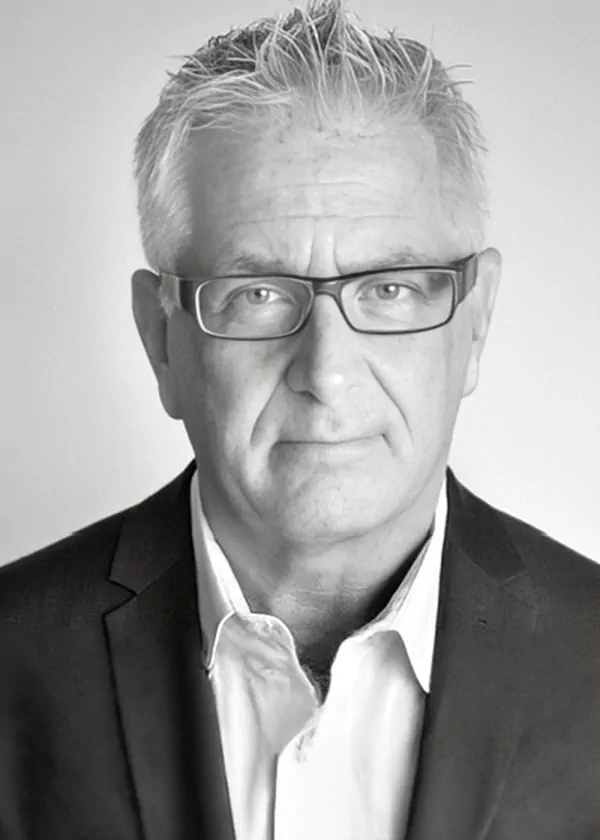
Calvin Chrustie, BA, BA (Honours), LLM is a senior partner with the Critical Risk Team, a boutique Canadian security, intelligence, and risk advisory firm supporting governments, corporations, law firms, Indigenous leaders, and senior executives facing complex security and crisis challenges.
Calvin began his policing career in northern and Indigenous communities, including Norway House, God’s Lake Narrows, Island Lake, Oxford House, God’s River, McLeod Lake, and Fort Ware. He credits those early years with shaping his understanding of trust, partnership, innovative policing, and the importance of building resilient local networks before crisis strikes.
Over a 33-year career with the RCMP in a variety of investigative and leadership roles including within Canada and globally in Africa, the Middle East, Asia, Europe and the America’s. Calvin served as British Columbia Intelligence Operations Officer, overseeing 13 intelligence and source-development teams, and later as Officer in Charge of Vancouver Federal and Serious Organized Crime Major Projects, a 200-person federal investigative team focused on fentanyl, money laundering, synthetic drugs, cocaine, heroin, cartel activity, and converging Chinese, Iranian, and transnational organized crime networks. Due to his understanding and operational insight into these networks, he was also appointed Canada’s National Cartel Operations Coordinator. Calvin served as Team Leader of Canada’s International Negotiators Team for terrorist and criminal kidnap and extortion cases, working with partners including the DEA, HSI, FBI, Mexican authorities, Colombian National Police, and other international agencies. He was recognized by the Canadian Association of Chiefs of Police as the inaugural International Police Person of the Year in 2016.
Today, Calvin advises on hybrid threats, foreign interference, economic security, organized crime, Arctic security, critical minerals, energy, mining, and community vulnerability. Through the Critical Risk Team, he supports Indigenous and community leaders with intelligence, threat assessment, strategic advisory services, crisis planning, and practical risk mitigation grounded in respect for local leadership, community knowledge, partnership, and informed decision-making.
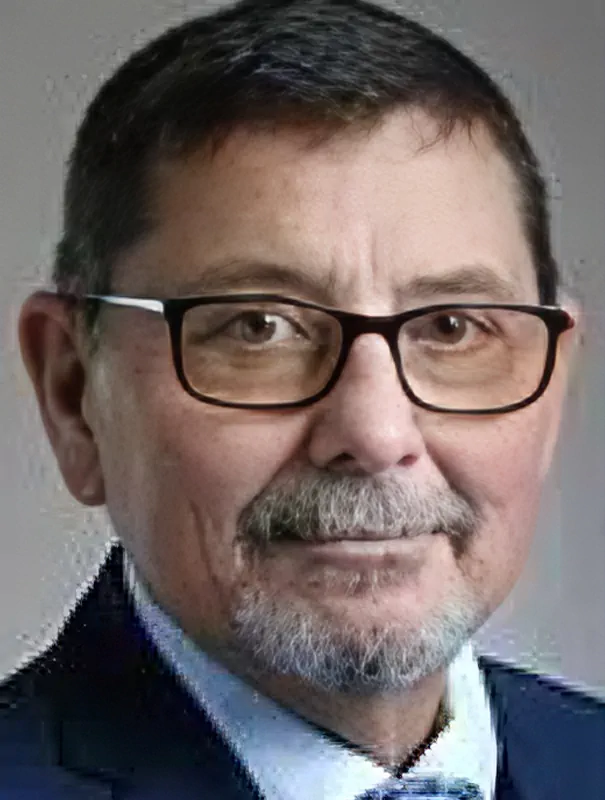
Garry W. G. Clement, CAMS, CFCS, CFE, FIS, CCI, CCIA brings more than 34 years of experience in policing, intelligence, and financial crime—much of it earned the hard way, working complex investigations and undercover operations targeting some of the most sophisticated criminal networks in Canada.
During his distinguished career with the RCMP, Garry served as National Director of the Proceeds of Crime Program, where he helped shape Canada’s approach to targeting the financial infrastructure of organized crime. He understands not just how these groups operate—but how they adapt, evolve, and exploit systemic gaps.
After policing, he transitioned into senior leadership roles in the financial sector, including Chief Anti-money Laundering Officer at VersaBank, where he also supported expansion into the U.S. and BSA compliance. He has since taken on senior advisory roles focused on global AML and anti-terrorist financing, while continuing to lead Clement Advisory Group.
What sets Garry apart is his ability to connect the dots between street-level crime, transnational organized networks, and the financial systems that enable them.
He has been qualified as an expert witness in Canadian courts on money laundering, organized crime, and drug trafficking, and continues to advise both public and private sector organizations on how to disrupt criminal enterprises more effectively.
He’s also a respected author, offering a rare operational perspective through his book Undercover and his contributions to Dirty Money: Financial Crime in Canada, as well as his work examining foreign interference and organized crime in this country. For those in policing leadership, Garry’s insights are grounded in real operations, real cases, and real consequences.

Jolene Saulis Dione is a proud Maliseet woman from Tobique First Nation (Neqotkuk) with nearly 30 years of experience advancing Indigenous safety, well-being, and self-determination through community- and culture-driven approaches. She contributed to the Sisters in Spirit initiative, raising national awareness of Missing and Murdered Indigenous Women and Girls (MMIWG), and served as an Indigenous Liaison Officer in federal institutions, supporting culturally grounded healing and reintegration.
Jolene has worked with the Ottawa Police Service to strengthen relationships with Indigenous communities and deliver cultural competency training. She played a key role in the co-development and implementation of An Act Respecting First Nations, Inuit and Métis Children, Youth and Families (Bill C‑92), advancing Indigenous jurisdiction over child and family services. She now serves as Director of the Indigenous Police Services Division, contributing to national conversations on Indigenous policing, and teaches at Algonquin College in the Victimology and Indigenous Studies programs.
Jolene’s leadership is rooted in Indigenous values and driven by a deep commitment to advancing the voices, rights, and futures of Indigenous women, children, and communities through transformative, community-led approaches.
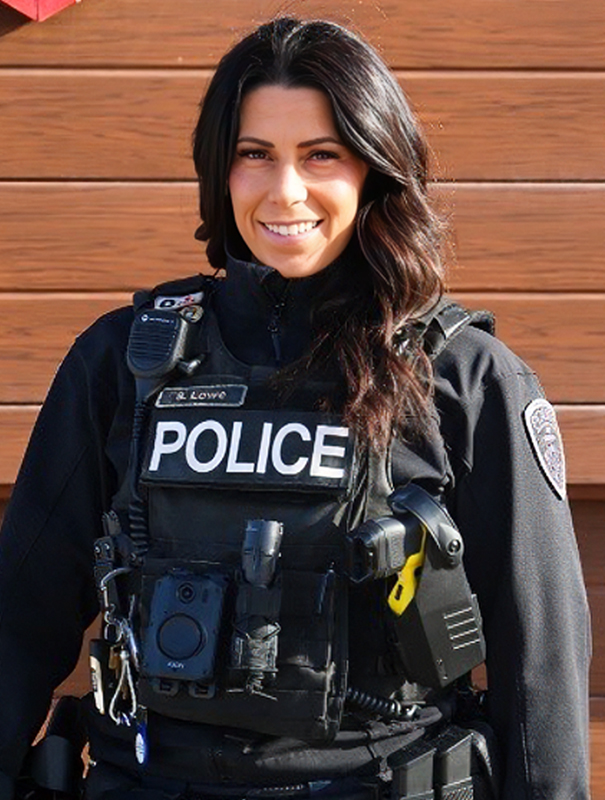
Constable Samantha Lowe has served as a police officer for the community and reservation of Tsuut’ina Nation Police Service for the last 6 years. Born and raised in Nova Scotia, she had a passion for working for a small, community-based service to support and serve the best way she knew how.
Throughout her career, Constable Samantha Lowe has worked in various large files, including human trafficking, serious family violence, sexual violence, and forensic interviews with children. She believes that trust between citizens and police is the foundation of a safe community. Outside of work, she enjoys the gym, hiking with her two dogs, and spending time with her family.
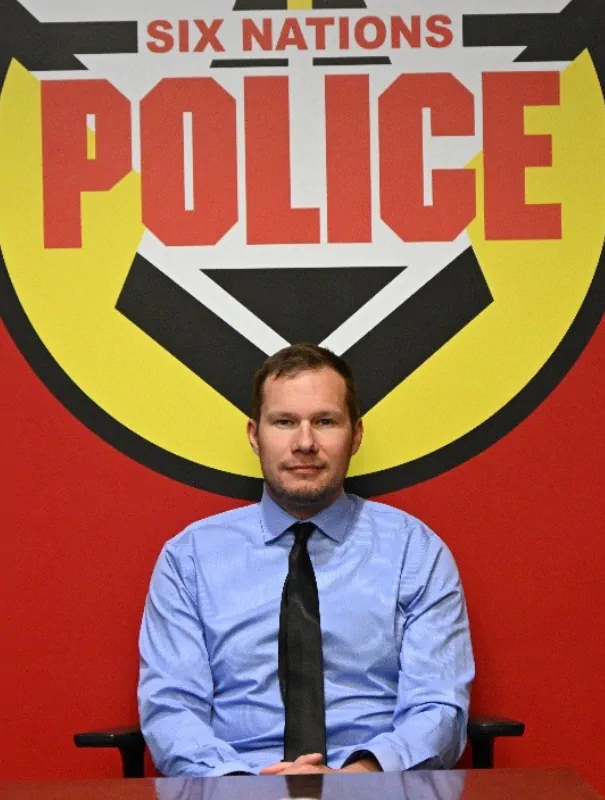
Detective Constable Jacob Mair began his policing career in 2017 in uniform patrol, gaining valuable frontline experience in community policing and emergency response. In 2019, he transitioned to the Criminal Investigations Unit, where he developed specialized investigative skills before joining the Drug Enforcement Unit in 2023.
As a member of the Drug Enforcement Unit, Detective Constable Mair has been involved in numerous drug and firearm investigations, focusing on disrupting illicit trafficking networks which target the Six Nations of the Grand River. His experience includes working collaboratively with partner agencies on complex investigations and joint-force operations.
Committed to professional development and relationship building, Detective Constable Mair regularly attends law enforcement conferences and training events across the province, fostering partnerships with police services and specialized units that continue to strengthen investigative cooperation and operational success.
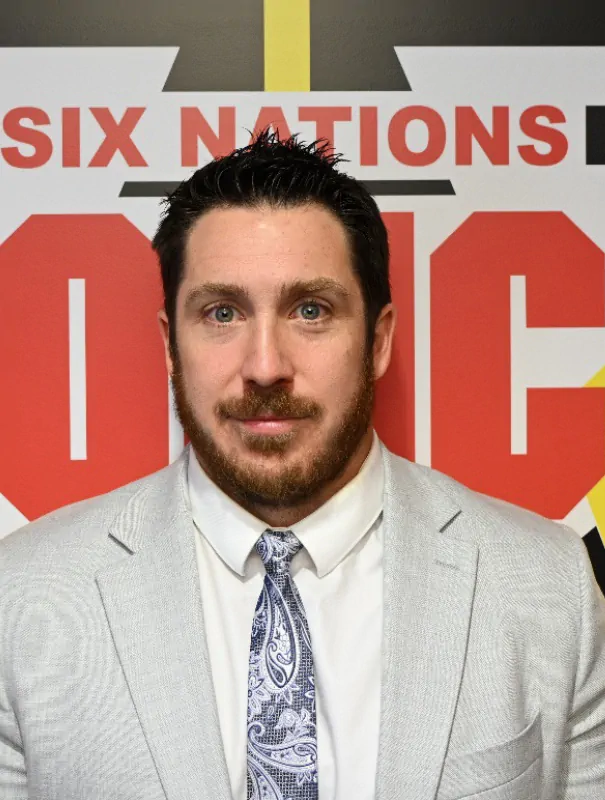
Detective Constable Jesse Miller served as a patrol officer from 2015 to 2021, gaining valuable frontline experience responding to calls, engaging with the community, and managing a wide range of situations. In 2021, he transitioned into the Drug Enforcement Unit, where he continues to develop his experience in investigations and proactive policing initiatives.
Through his law enforcement career, Detective Constable Miller has developed a strong appreciation for teamwork, accountability, and building positive relationships within the community. He is known as a talkative, approachable, and caring individual, qualities that help him connect with others while remaining calm and effective in challenging situations. He takes pride in helping people, maintaining a strong work ethic, and continuing to grow both personally and professionally throughout his policing career.
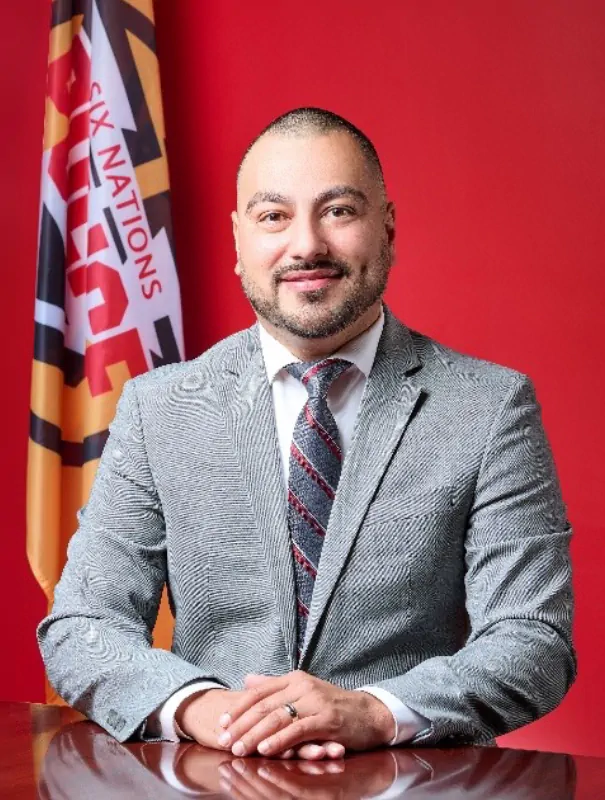
Robert Monteforte is a Detective Sergeant with the Six Nations Police Service, where he has served since 2019. Prior to joining Six Nations Police, he spent seven years with the Hamilton Police Service, beginning his policing career in 2012.
Currently assigned to the Drug Enforcement Unit (DEU), Detective Sergeant Monteforte specializes in complex drug and firearm investigations, intelligence-led policing, and inter-agency enforcement operations. Since joining the DEU in 2020, he has played a key role in the unit’s strategic shift toward targeting higher-level supplier networks and organized criminal activity both within and beyond the Six Nations community.
Through strong partnerships with law enforcement partners across Ontario, he has helped lead numerous joint investigations resulting in significant seizures of illicit drugs, firearms, and criminal proceeds. He is also actively involved in mentoring officers, developing investigative capacity within the unit, and sharing operational knowledge through training and conference networking.
Detective Sergeant Monteforte is passionate about community safety, proactive policing strategies, and advancing modern drug enforcement practices through collaboration, leadership, and intelligence-driven investigations.
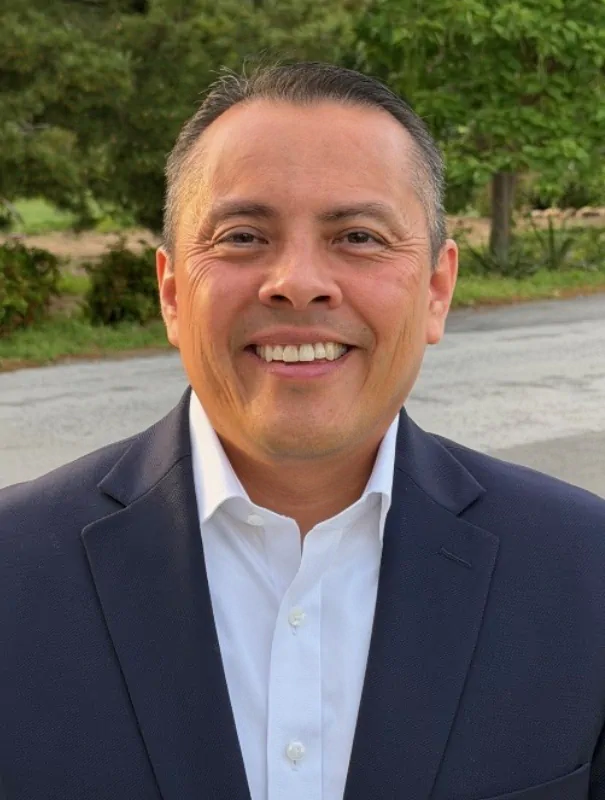
Mark Pooley is the Director, Investigative Support for the Center for Human Identification (CHI) at the University of North Texas, Health Science Centre. In this position, he assists law enforcement and medical examiners in identifying unidentified human remains and missing person’s cases through DNA technologies. He joined CHI in March 2023.
In August 2020, Mark Pooley retired as a sergeant from the Tempe Police Department in Arizona. During his tenure in law enforcement, he held several detective positions in robbery, Joint Terrorism Task Force (JTTF/FBI), homicide/missing persons and was a supervisor in the Professional Standard’s Bureau. Mr. Pooley, who is Navajo and Hopi, was also a tribal prosecutor for the Salt River Pima-Maricopa Indian Community, where he dealt with criminal and civil issues within the tribal court.
In 2021, Mr. Pooley started a 501c3 nonprofit called “Native Search Solutions.” The organization’s mission was to find Missing & Murdered Indigenous People (MMIP) on and off the reservation(s) by using technology and other resources.
In 2022, Mr. Pooley was the inaugural Tribal Fellow for the National Center for Missing & Exploited Children (NCMEC), where he supported outreach to Indigenous communities.
Mr. Pooley holds a Master of Education, Counselling-Human Relations with Distinction, from Northern Arizona University, and a Bachelor of Arts, Political Science, from Brigham Young University.
Presentations
Transnational Organized Crime and Foreign Interference Realities
By Garry W.G. Clement
Response with ReconciliAction in Indigenous Policing
By Jolene Dione, Director-Indigenous Policing Services Directorate
How DNA Technology is used to find our Missing Indigenous Relatives
By Mark Pooley, Director of Investigative Support
Foreign Threats and Indigenous Police Leadership
By Calvin Chrustie, Senior Partner
Nominations for the following:
1. Years of Service (20 Years of Service or more)
This award is for officers that have twenty (20) years of combined service or more, in policing as an officer. (See 01 Criteria for Long Service Recognition)
2. Bravery or Lifesaving Awards
Bravery Award
This award is for Officers that have performed an act of bravery that could best demonstrate the qualities of heroism. (See 02A Criteria for Police Bravery Criteria)
Lifesaving Award
This award is for Officers whereby the officer defies the instinct for self-preservation and risks his/her own life to protect others, and as a result have saved a life or lives, including their own. (See 02B Criteria for Police Life-Saving Criteria)
3. Distinguished Services Awards (Investigative, Community Services & Crime Prevention)
This award is open to active police officer (s) or staff member(s) who has demonstrated exemplary leadership and commitment to his/her service through work that have benefited their peers, their service, and the community.
Distinguished Service: Police Exemplary Performance for Investigative
An Officer that has shown dedication with their work in regards to their investigational activities: who has worked diligently and has proven to have strong investigating skills, which resulted in successful arrests; who is motivated in preparing, drafting, and execution of warrants and arrests;
who works in a team environment to complete projects in a safe manner for all members involved; and who shows dedication to their department and proven to be a team player. (See 03A Police Exemplary Performance Award Criteria)
Distinguished Services:
Community Policing Award for Community Services or Crime Prevention
This award is for an individual(s) who have demonstrated self-initiative in the development of Community Crime Prevention Strategies and initiatives for the communities they serve; and who have actively participated and donated their time to a community and community-based fundraising events. (See 03B Community Policing Award Criteria)
4. Presidents Commendation Award
President’s Commendation for depicting excellent work meriting a National Award.